Executive Hotels For Business Meetings A Smart Choice
Executive Hotels For Business Meetings offer an ideal environment for professionals seeking a productive and successful meeting experience. Choosing the right hotel can significantly influence the outcomes of your business discussions, thanks to the carefully curated ambiance and specialized services these hotels provide.
From advanced technological amenities to convenient locations, executive hotels cater to the unique needs of business travelers, ensuring that every meeting is as efficient and successful as possible. This comprehensive guide explores the importance of these hotels, their essential features, and how to effectively plan your next business meeting in such an environment.
Importance of Executive Hotels for Business Meetings
Selecting the right hotel for business meetings is a critical decision that can significantly influence the success of corporate engagements. Executive hotels, specifically designed to cater to business professionals, offer a unique combination of ambiance, amenities, and services that can enhance the overall meeting experience. The right setting not only fosters productivity but also builds a positive impression for both hosts and guests.The ambiance of executive hotels plays a vital role in shaping business outcomes.
A well-designed space can encourage collaboration, creativity, and focus, ultimately leading to better decision-making. The atmosphere created by tasteful décor, comfortable seating, and quiet areas can significantly contribute to reducing distractions and promoting effective communication. A sophisticated environment reflects professionalism and can instill confidence in clients and partners.
Amenities and Services in Executive Hotels
Executive hotels are equipped with a range of amenities and services tailored to meet the needs of business travelers. Understanding these offerings can help companies select hotels that enhance their meeting experiences. Key features commonly found in executive hotels include:
- State-of-the-art Meeting Rooms: Equipped with high-quality audio-visual systems, video conferencing capabilities, and flexible seating arrangements, these rooms are designed for seamless presentations and discussions.
- Business Centers: These facilities offer access to computers, printers, fax machines, and high-speed internet, ensuring that business needs can be met efficiently.
- Catering Services: Executive hotels often provide specialized catering options that can accommodate various dietary preferences, allowing for seamless meal service during meetings.
- Concierge Services: Dedicated staff members are available to assist with travel arrangements, local information, and other business-related inquiries, simplifying logistics for busy professionals.
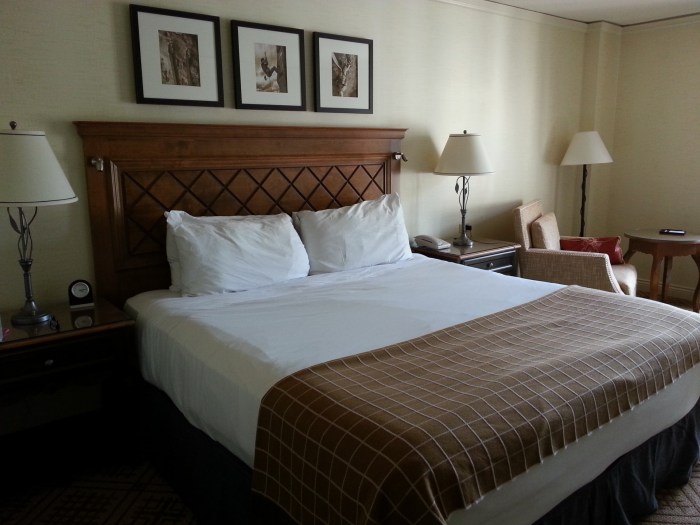
- Comfortable Guest Rooms: After a long day of meetings, having a comfortable and well-equipped room is essential for relaxation and productivity the next day.
The integration of these amenities not only ensures a productive meeting but also enhances the overall experience for participants. Furthermore, many executive hotels offer loyalty programs that provide additional benefits, such as room upgrades and access to exclusive services, adding further value for frequent business travelers.
“A well-chosen venue can transform a standard meeting into a high-impact strategic session.”
In sum, the importance of selecting the right executive hotel for business meetings cannot be understated. The ambiance created, along with the specialized amenities and services, contributes to a productive and positive business environment, making it an essential consideration for any corporate gathering.
Features of Executive Hotels
When selecting an executive hotel for business meetings, several key features are essential for ensuring a productive and comfortable environment. Executive hotels are specifically designed to cater to business travelers, providing tailored amenities and services that facilitate effective meetings and collaborative work sessions. Here, we will explore the critical features, technological advancements, and the significance of location and accessibility.
Essential Features for Business Meetings
A variety of features enhance the functionality of executive hotels, making them suitable for business meetings. The following points highlight the critical aspects to look for:
- Flexible Meeting Spaces: Conference rooms that can be adjusted in size and layout to accommodate various group sizes and meeting formats are vital. Look for spaces equipped with modern furniture and customizable configurations.
- High-Speed Wi-Fi: Reliable and fast internet connectivity is crucial for conducting presentations, video conferencing, and accessing cloud services seamlessly.
- On-Site Catering: The availability of catering services allows for meal breaks without the need to leave the premises, ensuring that schedules remain uninterrupted.
- Business Support Services: Access to administrative services such as printing, copying, and secretarial assistance can significantly enhance efficiency during meetings.
- Audio-Visual Equipment: Modern executive hotels provide state-of-the-art AV technology, including projectors, sound systems, and teleconferencing tools to facilitate engaging presentations.
Technological Advancements Available in Executive Hotels
The integration of advanced technology in executive hotels has revolutionized the way business meetings are conducted. Here are some significant technological features:
- Smart Meeting Rooms: Many hotels now offer rooms equipped with smart technology that allows for easy control of lighting, temperature, and AV systems through user-friendly interfaces or mobile apps.
- Virtual Meeting Capabilities: With the rise of remote work, executive hotels are increasingly providing facilities for hybrid meetings, allowing in-person and virtual participants to engage seamlessly.
- High-Definition Video Conferencing: Clear and high-quality video conferencing solutions are essential for maintaining effective communication with remote teams and clients.
- Interactive Whiteboards: These tools enhance brainstorming sessions and presentations, allowing for real-time collaboration and feedback.
Importance of Location and Accessibility
The strategic location of an executive hotel plays a crucial role in the overall experience for business travelers. Accessibility to major transport hubs and urban centers significantly impacts convenience and productivity. Key factors include:
- Proximity to Airports: Hotels located near airports minimize travel time, making arrivals and departures more convenient for busy executives.
- Access to Public Transport: Easy access to public transport systems allows for simple commuting to meetings and events held in the city.
- Neighborhood Amenities: Being situated close to restaurants, shops, and entertainment options can enhance the overall stay, offering opportunities for networking and relaxation after work hours.
- Safety and Security: Locations that prioritize the safety of guests can offer peace of mind, particularly for international travelers unfamiliar with the area.
Comparison of Executive Hotels: Executive Hotels For Business Meetings
In the realm of business travel, the choice of hotel can significantly impact the overall experience and efficiency of meetings. Executive hotels are designed specifically to cater to the needs of business professionals, offering a range of amenities that enhance productivity and comfort. This comparison delves into some of the top-rated executive hotels located in major business hubs around the world, examining their offerings to help travelers make informed decisions.The landscape of executive hotels varies significantly across different countries, reflecting regional preferences and business cultures.
By evaluating key aspects such as amenities, pricing, and unique services, we can understand how these hotels adapt to meet the expectations of international business travelers.
Comparison of Top-Rated Executive Hotels
To provide a clearer perspective on what different executive hotels offer, the following table compares some of the leading hotels in renowned business districts. Key factors include amenities, pricing, and services to facilitate a quick assessment.
| Hotel Name | Location | Amenities | Pricing (per night) | Special Services |
|---|---|---|---|---|
| The Ritz-Carlton | New York, USA | High-speed Wi-Fi, Business Center, Meeting Rooms | $600 | Concierge, 24-hour room service |
| Shangri-La Hotel | Singapore | Executive Lounge, Fitness Center, Pool | $450 | Private meeting spaces, airport transfers |
| InterContinental | London, UK | Free Wi-Fi, Business facilities, On-site dining | $500 | Event planning, translation services |
| Hyatt Regency | Tokyo, Japan | Gym, Spa, Meeting rooms | $400 | Catering services, local business advice |
The amenities offered by executive hotels often include high-speed internet access, dedicated business centers, and meeting facilities equipped with modern technology. Pricing can vary greatly depending on the location and luxury level of the hotel. For instance, hotels in major cities like New York or London tend to be more expensive compared to those in less bustling areas. Regional differences in executive hotel offerings can also be noted.
In Asia, for example, hotels may emphasize technological integration and offer advanced meeting systems, while European hotels might focus on providing exquisite dining experiences and cultural excursions as part of their service.
“Choosing the right executive hotel can enhance not only productivity but also the overall experience of business travel.”
In summary, selecting an executive hotel involves more than just finding a place to stay; it’s about finding an environment conducive to business success, which varies by region and personal preference. As you plan your next business trip, consider these factors to ensure a productive experience tailored to your needs.
Planning a Business Meeting in an Executive Hotel
Planning a successful business meeting at an executive hotel requires careful consideration and organization. From choosing the right venue to ensuring all necessary equipment is in place, the process involves multiple steps to create an environment conducive to productive discussions and decision-making. Here’s a structured approach to organizing such an event effectively.
Steps Involved in Planning a Successful Meeting
To kick off the planning process, it is essential to follow a systematic approach that covers all the bases. Here are the key steps to consider:
1. Define Meeting Objectives
Clearly Artikel the purpose of the meeting and desired outcomes.
2. Select the Venue
Choose an executive hotel that aligns with your brand and provides the necessary amenities.
3. Set a Date and Time
Coordinate with participants to finalize a date and time that accommodates everyone’s schedule.
4. Determine Attendee List
Identify who needs to be present for the meeting and confirm their attendance.
5. Arrange Logistics
Organize transportation, catering, and accommodation for attendees if required.
6. Prepare Meeting Agenda
Develop a structured agenda that Artikels discussion topics and time allocations.
7. Coordinate Technology Needs
Ensure necessary audiovisual equipment, Wi-Fi, and other tech setups are arranged.
8. Communicate Details
Share meeting details with attendees well in advance, including venue information and agenda items.
Checklist for Essential Items to Arrange Prior to the Meeting
Creating a comprehensive checklist is vital to ensure no detail is overlooked. Here’s a useful list of essential items to arrange before the meeting:
Venue Reservations
Confirm booking with the executive hotel.
Catering Requirements
Decide on meal options and dietary restrictions.
Audiovisual Equipment
Arrange for projectors, screens, and microphones.
Seating Arrangements
Plan seating layouts to facilitate discussions.
Stationery Supplies
Prepare necessary materials like pens, notepads, and name tags.
Communication Tools
Set up conference call options or video conferencing if participants are remote.
Follow-Up Mechanisms
Decide on a method for documenting meeting notes and action items.
Role of Hotel Staff in Facilitating Business Meetings and Events
The staff at an executive hotel play a crucial role in ensuring the smooth execution of business meetings. Their support can significantly enhance the overall experience for attendees. Key responsibilities include:
Event Coordination
Hotel staff typically have event coordinators who assist in planning and ensuring all requirements are met.
Technical Support
On-site technicians can help set up and troubleshoot any technology used during the meeting, ensuring a seamless experience.
Catering Services
The hotel’s catering team can provide tailored menu options and handle meal service, allowing hosts to focus on the meeting.
Logistical Assistance
Front desk and concierge staff can assist with transportation arrangements and accommodations for attendees.
Customer Service
Hotel staff are trained to provide exceptional service, addressing any issues promptly to enhance the attendees’ experience.
Successful meetings at executive hotels aren’t just about the venue; they rely on seamless collaboration between organizers and hotel staff to create a productive environment.
Feedback and Reviews of Executive Hotels
Gathering feedback and reviews from meeting attendees plays a crucial role in assessing the overall quality and effectiveness of executive hotels for business meetings. Understanding the experiences of previous guests can guide future choices and ensure that meetings are hosted in environments that foster productivity and satisfaction.Collecting feedback effectively involves various methods, such as surveys, direct interviews, or digital feedback forms.
These methods allow attendees to express their thoughts on various aspects of their stay, from the quality of facilities to the professionalism of staff. Utilizing technology, such as QR codes leading to online surveys placed in meeting rooms or guest rooms, can streamline the feedback process, encouraging more participants to share their experiences.
Importance of Reviews and Testimonials
Reviews and testimonials significantly influence the selection of a hotel for business meetings. Potential users often rely on the experiences of others to make informed decisions. Positive reviews can highlight a hotel’s strengths, such as excellent service, well-equipped conference rooms, and convenient locations, while negative feedback can serve as a warning to avoid specific issues.The credibility and authenticity of reviews are important; therefore, it’s essential to consider reviews from reliable sources.
Platforms for Credible Reviews of Executive Hotels
Finding credible reviews of executive hotels can be streamlined by using various online platforms. Here are some of the most reliable sources where comprehensive feedback can be accessed:
- Tripadvisor: This platform offers extensive user-generated reviews covering different aspects of hotels, including amenities and service quality.
- Google Reviews: Users can leave ratings and comments on their experiences, providing potential guests with a quick overview of the hotel’s reputation.
- Yelp: Known for restaurant reviews, Yelp also features businesses including hotels, providing insights into customer satisfaction.
- Booking.com: Offers verified guest reviews which can be filtered for specific criteria relevant to business meetings.
- Travelocity: This travel site features user reviews and ratings, often accompanied by detailed insights about meetings and events hosted at hotels.
“User reviews are not just opinions; they are a window into the experiences that define the quality and suitability of executive hotels for business meetings.”
Using these platforms effectively can assist in making informed decisions that enhance the overall success of business meetings.
Cost Considerations for Executive Hotels
When planning a business meeting at an executive hotel, understanding the cost implications is crucial. The pricing structure can vary significantly based on several factors, which can affect the overall budget and selection process for small businesses.The pricing structure for executive hotels typically includes room rates, meeting space rentals, catering services, and additional amenities. Rates can fluctuate based on the location of the hotel, the time of year, and demand.
It’s important to be aware that hotels often offer packages which bundle various services together, potentially providing savings compared to booking each component separately.
Factors Affecting Meeting Costs
Several factors can influence the overall cost of hosting a meeting in an executive hotel. Understanding these elements can aid in better budgeting and planning. Key factors include:
- Location: Hotels in metropolitan areas generally have higher rates due to demand and accessibility.
- Time of Year: Peak seasons often see inflated prices, while off-peak times may offer discounts.
- Duration of Stay: Longer events can lead to greater costs, including room rates and service fees.
- Attendee Numbers: More guests may require larger meeting spaces and additional catering, increasing total expenses.
- Technology Needs: Audio-visual equipment rentals and high-speed internet can add to the overall budget.
Understanding these factors allows businesses to make informed decisions when selecting an executive hotel that meets their budgetary requirements while still providing a conducive environment for successful meetings.
Budgeting Strategies for Small Businesses
For small businesses, effective budgeting is essential when choosing an executive hotel for meetings. Here are some strategies to consider:
- Establish Clear Objectives: Define the purpose of the meeting to prioritize necessary services and avoid unnecessary expenses.
- Request Quotes: Solicit detailed quotes from multiple hotels to compare pricing and service offerings effectively.
- Consider Package Deals: Look for hotels that offer inclusive packages that cover meeting space, catering, and tech needs.
- Utilize Loyalty Programs: Joining hotel loyalty programs can provide discounts and perks that benefit frequent travelers.
- Plan Ahead: Early bookings can secure better rates and availability, ultimately reducing costs.
By implementing these budgeting strategies, small businesses can maximize their resources while selecting an executive hotel that aligns with their needs and finances.
Case Studies of Successful Business Meetings

Source: libreshot.com
Executive hotels have become popular venues for business meetings due to their professional environments, amenities, and ability to cater to corporate needs. This section explores various case studies that highlight the effectiveness of meetings held at such venues, focusing on strategies that led to their success and lessons that can be applied to future engagements.One notable case study involved a multinational technology firm that hosted a series of strategic planning sessions at an executive hotel.
The company selected a hotel that offered state-of-the-art meeting rooms, high-speed internet, and specialized catering services.
Utilization of Comprehensive Facilities, Executive Hotels For Business Meetings
The hotel provided an array of facilities that enhanced the overall experience for the meeting attendees. The company took advantage of these resources in several ways, which are detailed below:
- Technology Integration: The meeting rooms were equipped with advanced audiovisual systems, allowing for seamless presentations and video conferencing. This feature enabled remote team members to participate actively, fostering an inclusive atmosphere.
- Dedicated Support Staff: The hotel assigned a dedicated event coordinator who facilitated logistics. This included managing room setups, catering, and technical support, ensuring that the focus remained on the meeting’s agenda.
- Networking Opportunities: The hotel’s communal spaces encouraged informal networking among attendees, enriching discussions and collaboration beyond formal meeting hours.
The technology firm learned valuable lessons from this experience, notably the importance of leveraging hotel facilities to create a productive environment. They recognized that a well-organized meeting significantly enhances participant engagement and overall satisfaction.
Focus on Comfort and Environment
Another successful meeting was organized by a financial services company that prioritized attendee comfort and a conducive environment. The following strategies were employed:
- Comfortable Accommodations: The company booked rooms with premium bedding and amenities, allowing attendees to rest well before critical discussions, thereby boosting productivity.
- Relaxation Areas: They utilized relaxation spaces in the hotel, where attendees could unwind during breaks. This approach helped reduce stress and fostered creativity during brainstorming sessions.
- Catering to Dietary Preferences: The hotel provided a customized menu that catered to various dietary restrictions, which contributed to the overall well-being of participants during meals.
The financial services company illustrated that considering attendee comfort can lead to improved focus and engagement. They learned that creating a welcoming atmosphere is crucial for fostering creativity and collaboration.
Measuring Success Through Outcomes
A marketing agency conducted a two-day workshop at an executive hotel, which aimed to develop a new campaign strategy. The effectiveness of their meeting was measured by the following outcomes:
- Achieved Goals: The team successfully developed three innovative marketing strategies within the workshop timeframe, which were later implemented in their campaigns.
- Participant Feedback: Post-meeting surveys showed a 95% satisfaction rate among attendees, highlighting the effectiveness of the hotel environment in facilitating productive discussions.
- Long-Term Partnerships: The event led to the establishment of partnerships with several local businesses, showcasing the potential of executive hotels as networking hubs.
The marketing agency’s experience underscored the importance of defining clear goals for meetings and utilizing an executive hotel to create an optimal environment for achieving them.
“An effective meeting space can transform the way a team collaborates and innovates.”
These case studies illustrate the advantages of hosting meetings at executive hotels. By leveraging advanced facilities, focusing on attendee comfort, and measuring outcomes, businesses can enhance their meeting effectiveness and drive successful results.
Future Trends in Executive Hotels
As the business landscape continues to evolve, executive hotels must adapt to new trends that shape the hospitality industry. These trends not only impact the operational aspects of hotels but also redefine the expectations of business travelers. Understanding these shifts is crucial for hotel operators aiming to stay competitive and relevant.One of the most significant trends in the hospitality sector is the growing emphasis on sustainability and eco-friendly practices.
Business travelers are increasingly considering the environmental impact of their accommodations. Executive hotels are responding by implementing green initiatives such as energy-efficient systems, waste reduction programs, and sourcing local products. This not only attracts environmentally conscious clients but also enhances the hotel’s brand image as a responsible business.
Technological Innovations Shaping Business Meetings
Technological advancements are at the forefront of transforming business meetings held in executive hotels. The integration of innovative tools and platforms is enhancing the efficiency and effectiveness of meetings. Virtual and augmented reality technologies are becoming popular, allowing for immersive experiences that can bridge geographical distances. Furthermore, hotels are incorporating advanced audiovisual equipment and high-speed internet as standard offerings in meeting rooms.
This ensures seamless connectivity and communication, which is crucial for successful meetings. Examples of such innovations include:
- Smart Room Controls: Modern meeting spaces feature smart technology that allows users to control lighting, temperature, and audiovisual equipment through a smartphone app, streamlining the meeting experience.
- Collaboration Software: Platforms like Zoom and Microsoft Teams are now integrated into hotel systems, enabling hybrid meetings where in-person attendees can seamlessly connect with remote participants.
- AI-Powered Services: Artificial intelligence is being utilized for personalized customer service, from virtual concierges that assist with bookings to chatbots that handle inquiries efficiently.
Changes in Service Models and Customer Expectations
Customer expectations are shifting towards more personalized and flexible service models in executive hotels. Business travelers now seek tailored experiences that cater to their specific needs, necessitating a more adaptable approach from hotel staff. The rise of remote work has also altered the traditional notions of business travel, prompting hotels to rethink their service offerings. Extended stays, work-from-hotel packages, and flexible check-in/check-out times are becoming common features.
Executive hotels are now expected to provide environments that support productivity, whether through dedicated workspaces in guest rooms or access to co-working facilities.Additionally, the importance of health and safety remains paramount, with enhanced cleanliness protocols becoming a standard expectation. Guests are more inclined to choose hotels that prioritize their well-being, leading to investments in air purification systems, contactless services, and thorough cleaning measures.
“As the hospitality industry adapts to the evolving preferences of business travelers, executive hotels must embrace innovation and flexibility to meet the demands of a new era.”
Conclusive Thoughts
In conclusion, selecting the right executive hotel for business meetings is a crucial step towards achieving your meeting goals. By considering the features, planning strategies, and feedback from previous attendees, you can make informed decisions that enhance productivity and create a memorable experience for everyone involved. Embracing the trends and innovations in the hospitality industry will ensure that your future meetings are not only successful but also engaging and impactful.
Question Bank
What amenities should I look for in an executive hotel?
Look for amenities like high-speed Wi-Fi, conference rooms, business centers, and catering services.
How can I ensure my meeting is successful in an executive hotel?
Plan ahead with a checklist, communicate clearly with hotel staff, and gather feedback from attendees afterward.
Are executive hotels more expensive than regular hotels?
They can be, but the cost often reflects the specialized services and amenities that cater to business needs.
What role does location play in choosing an executive hotel?
Location is crucial for accessibility and convenience, especially for attendees traveling from different areas.
How do I gather feedback from meeting attendees?
Use surveys or informal discussions to collect insights on their experiences and suggestions for improvement.